


Dara Frazier’s Not Every Woman Is a Mirror, a Release, and a Refusal to Carry It All
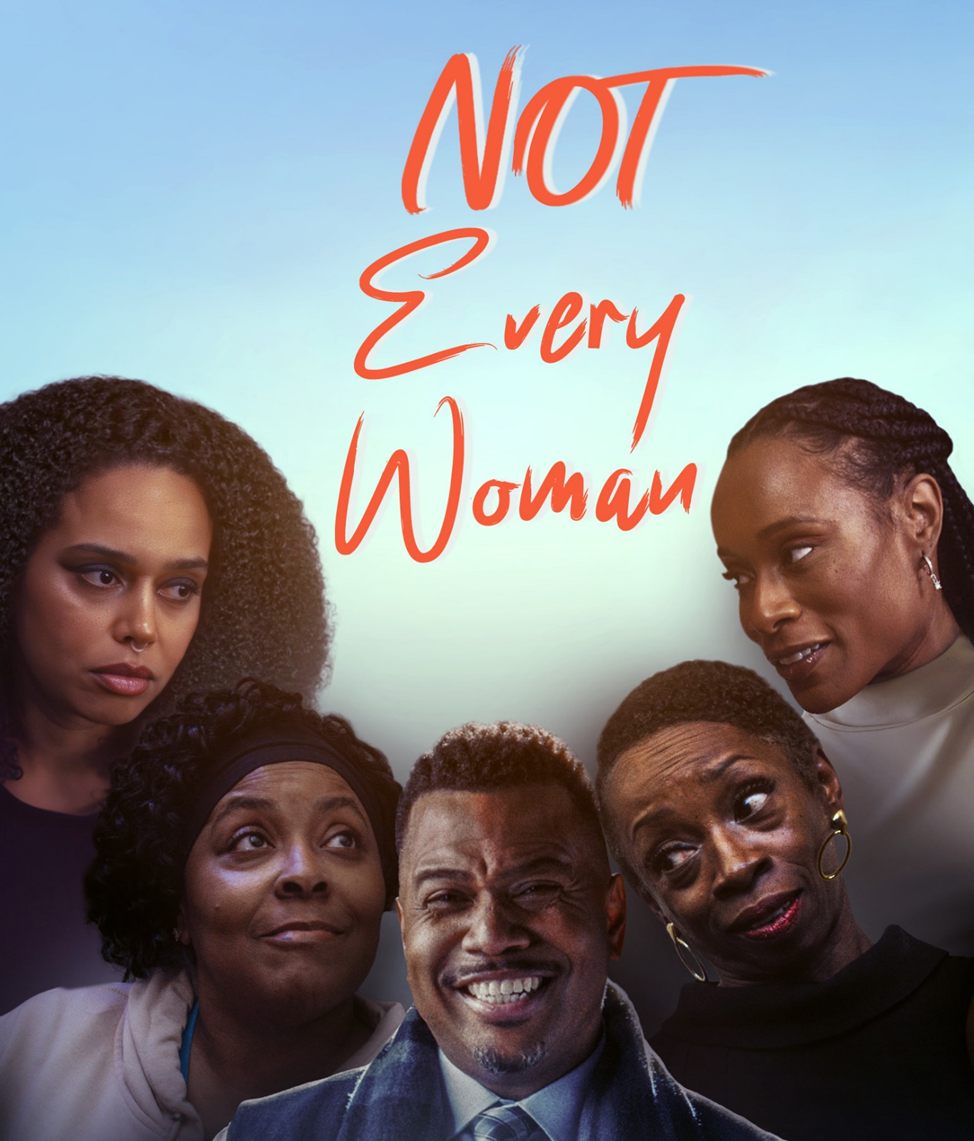
Dara Frazier’s Not Every Woman doesn’t ease its way into the conversation. It shows up honest, unfiltered, and emotionally precise, speaking directly to Black women who are tired of being everything, for everyone, all the time. The film lives in the quiet confessions and unguarded moments such as the laughter that masks exhaustion, the truths shared over wine glasses, and the collective realization that strength has never meant silence.
Set within an intimate sister circle, Not Every Woman captures what happens when Black women stop performing resilience and start telling the truth. The dialogue feels lived-in, the humor cuts close, and the emotional weight lingers without apology.
Written, directed, and produced by Frazier through 1642 Productions, Not Every Woman honors complexity with care. Anchored by a compelling ensemble that includes Omar Gooding, Lodric Collins, Erika Degraff, Georgina Elizabeth Okon, Shannon Echols, and Jean Cecile Nadine, the film offers a textured look at womanhood in America. Now streaming on YouTube Movies & TV, Amazon Prime and Apple TV, the project further cements Frazier as a filmmaker unafraid to say what needs to be said, and to say it beautifully.
See the Not Every Woman trailer here.
Your film “Not Every Woman” centers four Black women from different walks of life, yet their stories feel universally connected. How did you approach creating characters that feel distinct while still existing in the same emotional ecosystem?
Dara: I wanted to showcase the lives of the kinds of sistas that I grew up around. I feel that it’s relatable on so many levels in our community. I have PhD grads in my family and people who have done time in prison. We all come together and break bread for holidays and birthdays and everyone has their own perspective to share. I hope that I captured that richness and essence.
You’ve described the film as growing out of post-election exhaustion. In what ways do you feel Not Every Woman speaks directly to the cultural and emotional climate we’re navigating right now?
Dara: If I’m being honest, I feel disappointed on a human level that what is happening in America and around the world is so stuck in time that the script I wrote over a year ago still resonates as deeply as it does. But one thing that is important is that the movie doesn’t dwell on the madness out of control but instead invites audiences to find new ways to heal and protect our precious peace. I always say that peace is paramount and that’s more true now than ever.
The film not only reflects a cinematic sister circle, but it’s also intimate, honest, and validating. Is there anything else you would like to share with us about the film?
Dara: I think that people should watch this with friends and family members to have those meaningful conversations over wine or iced tea or whatever beverage of choice makes you happy. It’s almost like going to the theater.
Now that the film is streaming on YouTube Movies & TV, Amazon Prime, and Apple TV, what feedback in 2025 has stayed with you or surprised you the most?
Dara: It just released but so far from the comments I’ve read, our core audience of women are truly connecting with the story. As a writer and director, I am honored to see that happening.
Filmmaking requires stamina, patience, and belief. During production, were there any behind-the-scenes moments that re-centered you on the purpose of the story when things felt challenging?
Dara: I believe in the community and collaboration of filmmaking. There are so many creatives in a room there to bring my vision to life and I respect them enough to allow them space to do their thing. I was especially touched by someone who volunteered to help just because they believed in the story so much. There were times when I was so overwhelmed with joy, I wanted to cry.
Now that we’re in 2026, what are your hopes for the continued life of Not Every Woman, and what other creative projects or endeavors are you excited to bring into the world next?
Dara: I have a new film coming out starring the legendary Ella Joyce titled “Painted and Tainted.” It’s a thriller and I’m super excited because this is my first time exploring that genre. I also plan to do two more features in 2026.
As the founder of 1642 Productions, what words of wisdom could you leave our readers who aspire to direct their creative journey in a way which reflects the authentic and impactful storytelling you’re known for?
Dara: I’m still on that wisdom journey myself and I love learning new things all the time. But my key advice would be to set goals for yourself and stick to the plan. If you want to make a short film on the weekends with friends, don’t back down because you don’t have the perfect camera or because it’s raining or whatever. The only way to learn is to actually do it. All the film courses I took did not prepare me for the reality on the ground and no matter how many video tutorials you watch, nothing compares to the moment when you actually do it yourself.
Connect with Dara by visiting https://darawrites.com/ and http://1642studios.com/