


A Historic Kentucky Derby 2026 Redefines Tradition and Representation
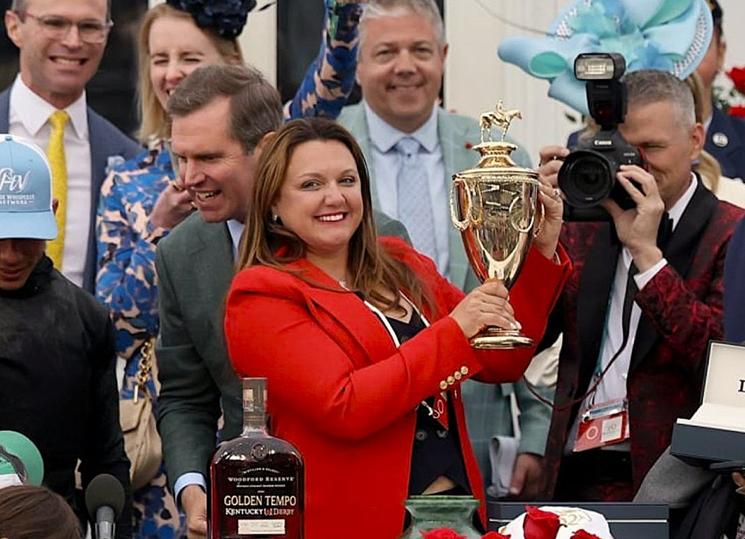
Kentucky Derby Landmark Win Signals Progress for Women and Latin Talent
A New Chapter at Churchill Downs
The 152nd Kentucky Derby on May 2, 2026, marked a turning point for the sport. At Churchill Downs, a race known for its deep traditions, history expanded in a meaningful way. Cherie DeVaux became the first female trainer to win the Derby, guiding Golden Tempo to a surprising victory. The horse entered the race at 23-1 odds and outperformed an 18-horse field.
This moment stood out not only for the upset finish, but for what it represented. For decades, the Derby has been a stage dominated by established names and familiar patterns. This year, it opened space for new voices and new leadership.
Cherie DeVaux Breaks Barriers
Cherie DeVaux’s win signals a shift in a sport where women have long faced limited access at the highest levels. Her training approach has been consistent and focused, built on careful preparation and attention to detail. Golden Tempo’s performance reflected that discipline.
Her victory places her among a small group of trainers who have reshaped expectations within horse racing. It also creates visibility for women pursuing careers in racing, from training to ownership. The Derby stage amplified that impact in a way few other events can.
Cherie DeVaux’s path to Derby history was built over years of patient work and steady growth. She grew up around horse racing in Saratoga Springs, New York, and first studied pre-med in college before deciding to follow her interest in horses. She began in the industry as a stable worker for trainer Chuck Simon, then spent years learning under Chad Brown before launching her own stable in 2018. That move came after a period of burnout and a personal crossroads, but she chose to bet on herself. Her early years as an independent trainer were not easy. It took nearly a year to get her first win, and the COVID-19 pandemic added more pressure to a business that already demanded patience and resilience. DeVaux has also had to push through the reality of working in a sport where women remain underrepresented at the highest levels. Still, she has kept her focus on building a strong operation, earning respect through results, and becoming a visible example for others who want to break into racing.
Jose Ortiz and a Historic Finish
Jockey Jose L. Ortiz delivered a composed and strategic ride to secure the win. Born in Trujillo Alto, Puerto Rico, Ortiz has built a strong career in American racing. This victory adds a defining moment to his record.
The race also made history with a rare family finish. His brother, Irad Ortiz Jr., placed second aboard Renegade. This marked a 1-2 finish for Puerto Rican jockeys, a milestone that reflects the deep influence of Puerto Rican talent in the sport. Their presence at the top of the leaderboard highlights years of dedication and a strong pipeline of riders from the island. It also reinforces how global the Derby has become. Behind Golden Tempo's Success
José Hernandez, the groomer for Golden Tempo, also played a key role in the horse’s Derby journey. Originally from Guatemala, Hernandez brought years of hands-on experience, discipline, and daily care that kept the horse in peak condition leading up to the race. His work often happens out of the spotlight, but it is essential to every performance on the track. Hernandez’s presence in this victory reflects the global workforce behind horse racing and the dedication required at every level of the sport.

Golden Tempo’s Unexpected Rise
Golden Tempo entered the Derby as a longshot, yet ran with control and precision. The horse responded to both trainer and jockey with a performance that balanced patience and timing. In a race often defined by chaos, Golden Tempo stayed consistent.
Upsets are part of Derby history, but this win carried added meaning. It showed that preparation and trust between trainer and rider can shift expectations, even against strong competition.
Representation and Cultural Impact
This year’s Derby extended beyond sport. It reflected broader conversations about inclusion and representation. The combined win by a female trainer and a Puerto Rican jockey created a moment that resonated across audiences.
Horse racing has often been slow to change, yet moments like this signal progress. They offer visibility and open pathways for future participants from diverse backgrounds. For fans, it also deepens the connection to the event, making it more reflective of the world around it.
Why This Kentucky Derby 2026 Matters
The 2026 Kentucky Derby will be remembered not only for its result, but for its message. It showed that tradition can evolve without losing its identity. It also reminded audiences that excellence can come from unexpected places.
For those who follow racing, this year reinforced the importance of staying engaged with the sport’s changing landscape. For new audiences, it offered a reason to pay attention.
A Reason to Experience the Derby Firsthand
The Kentucky Derby continues to be one of the most dynamic events in sports and culture. This year’s race proved that each running has the potential to shape history in real time. Attending offers more than competition. It offers a chance to witness moments that reflect progress, identity, and global influence.