


Robot Museum Guide in Italy Gains Positive Visitor Feedback
Pilot Program Shows Improved Access, Learning, and Visitor Satisfaction
Italy has begun testing a robot museum guide, and early reactions are largely positive. The project is part of a broader effort to modernize cultural spaces while keeping their historical value intact. Museums across the country are exploring ways to improve visitor services, and this pilot program is drawing attention.
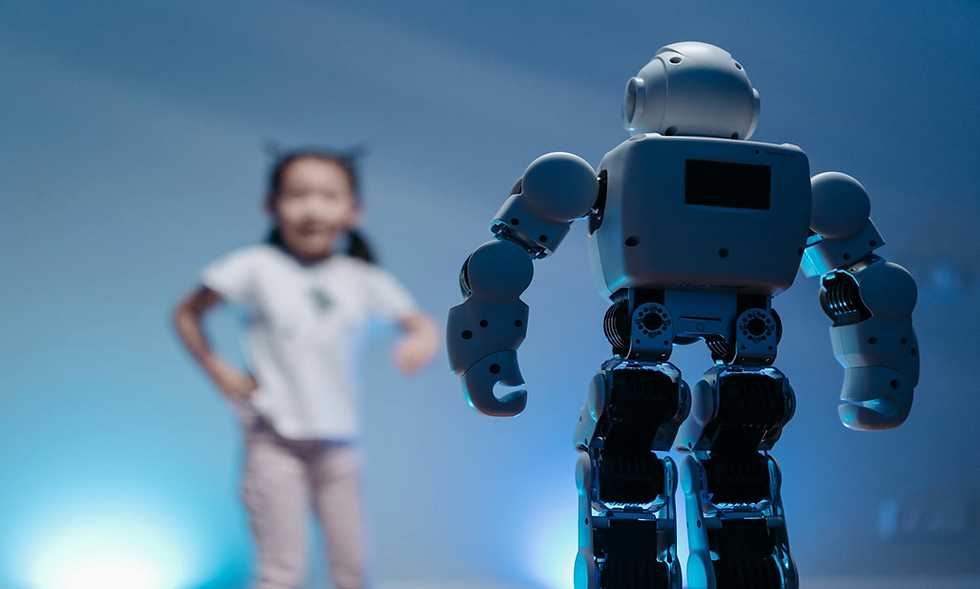
The robot, known as R1 guide robot, is located at https://www.palazzomadamatorino.it/en/Turin's Palazzo Madama and is designed to greet visitors, provide directions, and share information about exhibits. It moves through galleries at a steady pace and can adjust its route based on foot traffic. Visitors can ask questions through a touchscreen or voice input, and the robot responds in multiple languages. This feature is especially useful in cities that receive large numbers of international tourists.
How the Robot Works
The robot uses sensors and cameras to navigate safely. It avoids obstacles and slows down in crowded areas. Its system connects to a central database that stores information about each exhibit. When a visitor selects an artwork or artifact, the robot provides a short explanation with clear details.
It also offers guided tours. Visitors can choose themes such as Renaissance art, ancient history, or modern design. The robot then leads them through selected galleries while explaining key pieces. These tours are shorter than traditional guided tours, which suits visitors with limited time.
Museum staff can update the robot’s content in real time. This allows curators to add new information or adjust tours based on current exhibitions. The system is flexible, which helps museums keep content fresh without large staffing changes.
Visitor Reactions So Far
Most visitors report a positive experience. Many say the robot is easy to use and helpful for navigating large spaces. Families with children seem to enjoy interacting with it, especially because it responds quickly and speaks clearly.
International visitors appreciate the language options. Instead of relying on printed guides or audio devices, they can receive information directly and instantly. This reduces confusion and improves the overall visit.
Some visitors still prefer human guides. They note that human guides can answer complex questions and offer deeper insight. However, even those visitors often agree that the robot is useful for basic information and directions.
Impact on Museum Operations
The introduction of a robot guide can help museums manage crowds more efficiently. It reduces the pressure on front desk staff and allows human guides to focus on specialized tours. This balance can improve service without replacing existing roles.
There are also cost considerations. While the initial setup is expensive, ongoing maintenance is lower than hiring additional staff. Museums see this as a long term investment in visitor experience.
The data collected by the robot is another advantage. Museums can track which exhibits attract the most attention and how visitors move through the space. This information helps improve layout and programming decisions.
Challenges and Limitations
Despite the positive response, there are challenges. Technical issues can still occur, especially in older buildings with complex layouts. Connectivity problems may affect performance, and regular updates are necessary.
Accessibility is another concern. While the robot supports multiple languages, it must continue to improve features for visitors with disabilities. This includes better voice recognition and clearer visual interfaces.
There is also an ongoing discussion about the role of technology in cultural spaces. Some critics worry that too much automation could reduce the human element of museum visits. Museums will need to find a balance that respects both innovation and tradition.
What This Means for the Future
The success of this pilot program suggests that similar systems may appear in other countries. Museums are under pressure to adapt to changing visitor expectations, and technology offers practical solutions.
If the robot continues to perform well, it could become a standard feature in large institutions. Smaller museums may also adopt simpler versions of the technology. This shift could reshape how people explore and learn in cultural spaces.
The robot museum guide offers a practical way to improve access, navigation, and learning. It does not replace human expertise, but it adds a useful layer of support. Visitors benefit from clear information and flexible tours, while museums gain better insight into audience behavior. For those interested in how technology is shaping culture, this is a strong reason to visit and experience it firsthand.